21 Contemporary Coastal Living Room Ideas
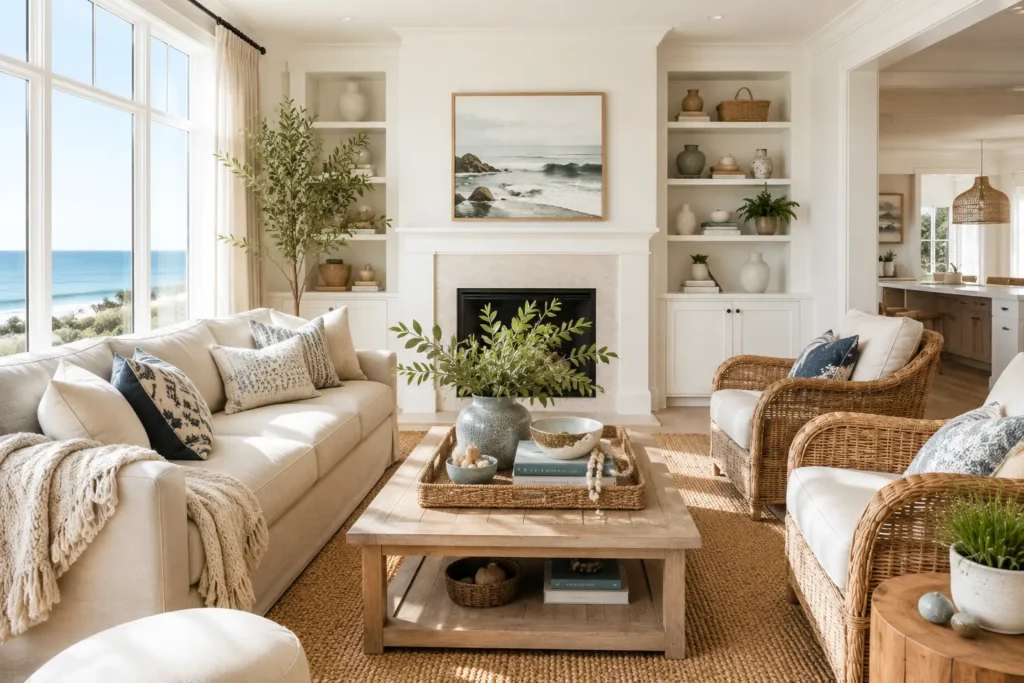
A contemporary coastal living room blends calm ocean-inspired elements with clean, minimalist design principles. It avoids overly themed decor and instead focuses on light, space, and subtle textures that feel natural and refined. The goal is to create a space that feels open, airy, and effortlessly elegant without looking staged or artificial.
Minimalist sophistication in coastal interiors comes from restraint, not decoration. By carefully selecting neutral tones, organic materials, and simple forms, you can achieve a space that feels both modern and relaxing. The key is balance—too much styling ruins the calm, while too little makes the room feel empty and unfinished.
Soft Neutral Coastal Base
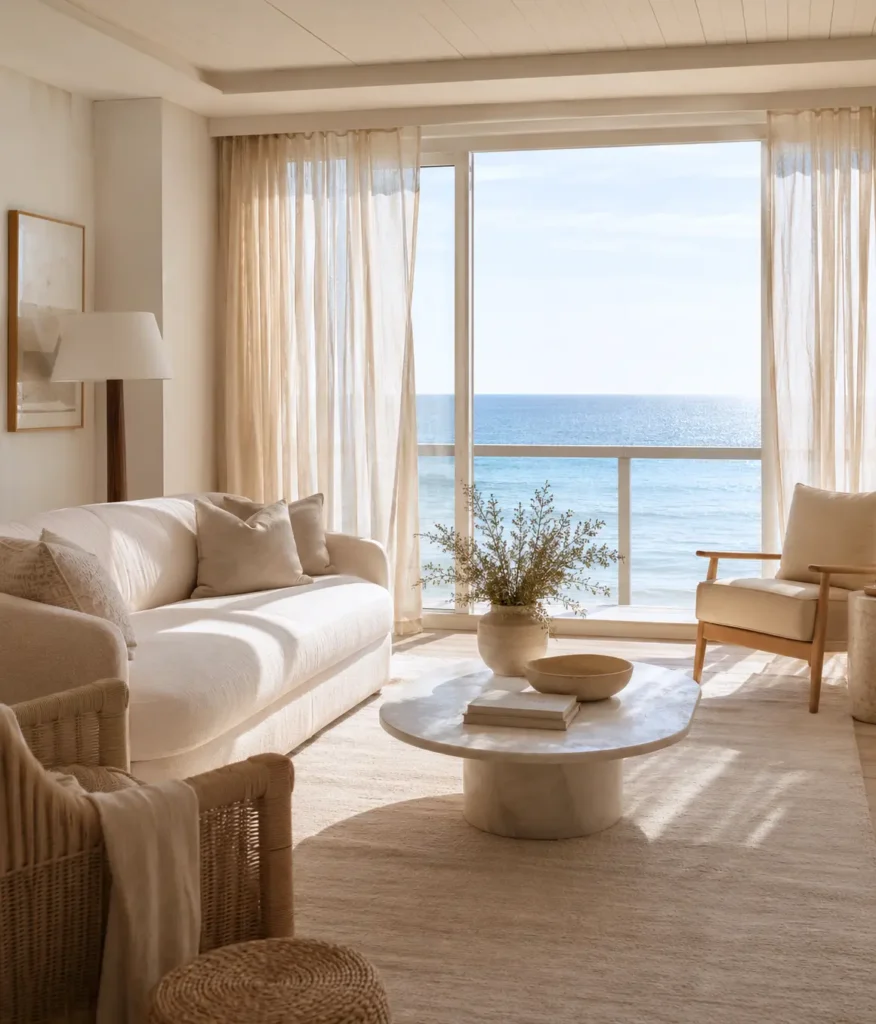
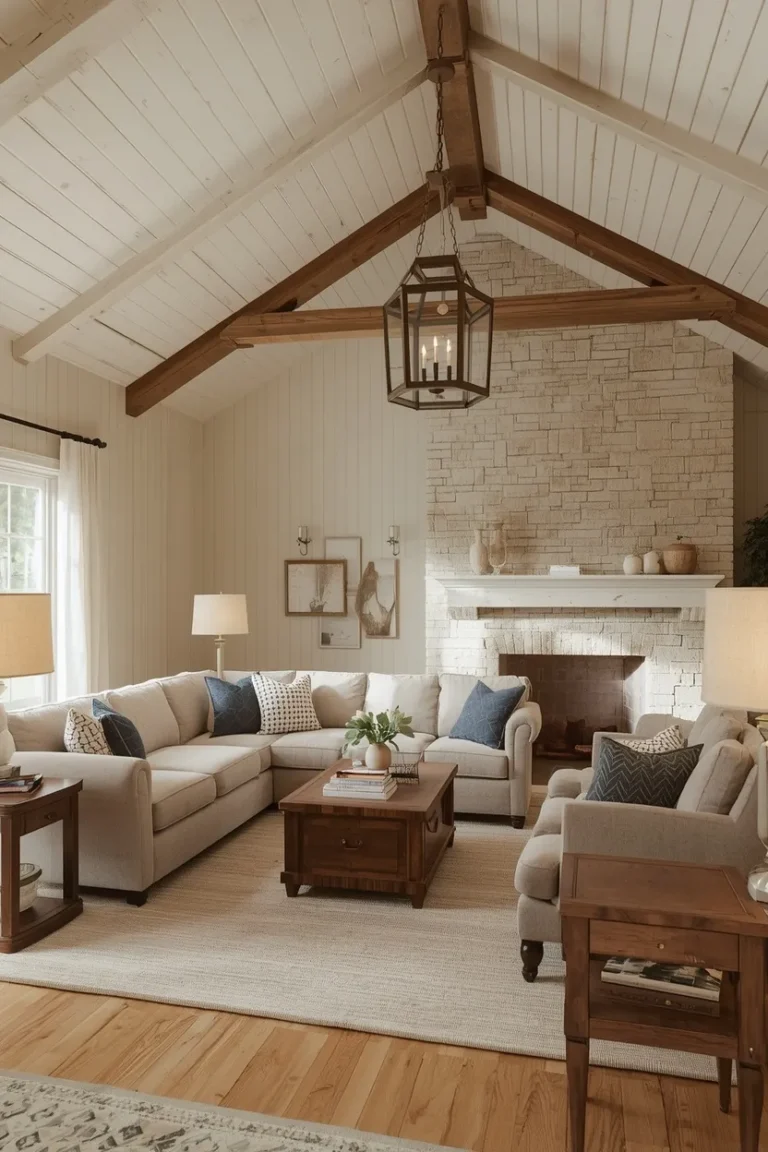
A soft neutral palette sets the entire tone for a contemporary coastal space. Warm whites, sandy beiges, and light taupe shades reflect the natural colors of the shoreline. These tones create a calm and inviting environment without feeling too cold or overly plain. Instead of relying on contrast, the design focuses on subtle variation.To keep the space visually interesting, layering textures becomes essential. Linen upholstery, soft rugs, and natural wood finishes add depth without cluttering the room. The result is a clean yet comfortable setting that feels relaxed and intentional. This approach ensures the space remains minimal while still feeling warm and livable.
Low-Profile Modern Furniture
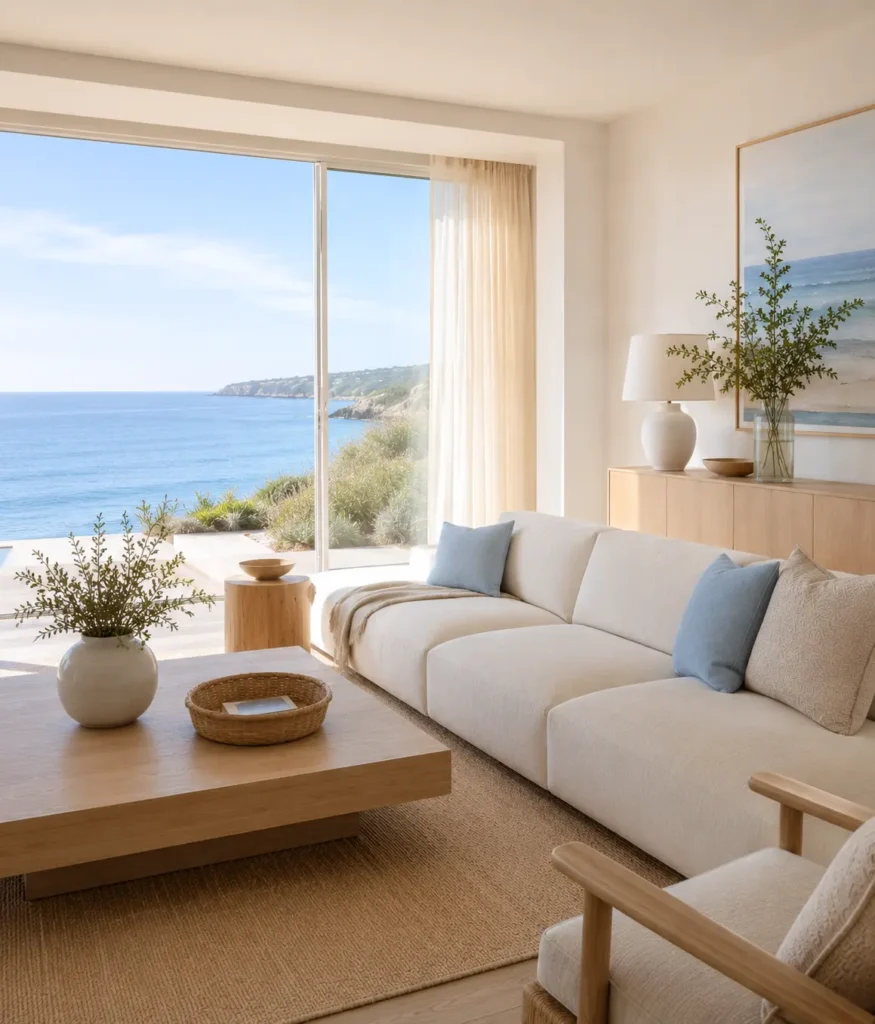
Low-profile furniture plays a key role in maintaining an open and uncluttered look. Sofas and chairs with clean lines and lower heights help create a sense of spaciousness. This style keeps the room grounded and visually balanced, making it feel more connected to the surrounding environment.Pair these pieces with simple tables and minimal detailing to avoid visual heaviness. Light wood finishes or neutral tones work best to maintain the coastal feel. By avoiding bulky or oversized furniture, the space remains breathable and aligned with minimalist principles.
Subtle Ocean-Inspired Color Accents
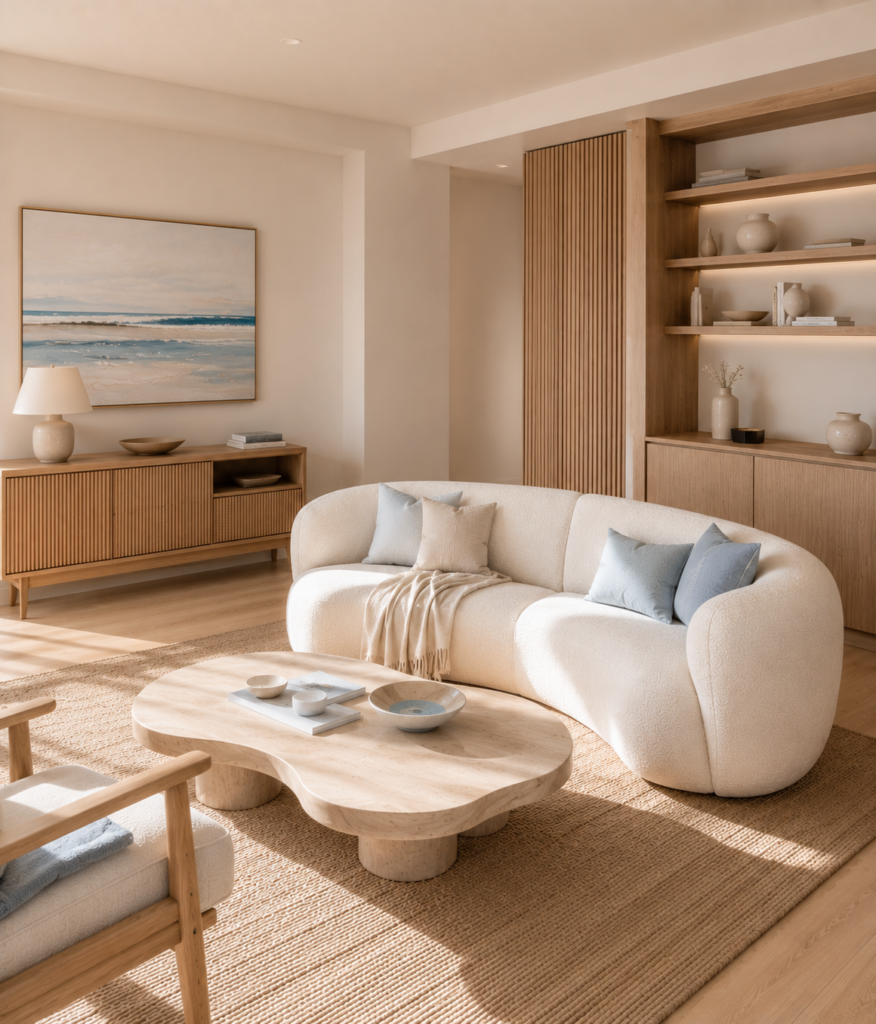
Adding ocean-inspired colors should be done with restraint. Soft blues, seafoam greens, and muted aqua tones can bring life into a neutral space. These accents should appear in small details like cushions, throws, or decorative pieces rather than dominating the room.The goal is to suggest a coastal influence rather than make it obvious. Too much color can quickly shift the design into a themed look, which reduces sophistication. Keeping the palette controlled ensures the room stays elegant and modern.
Natural Wood Elements
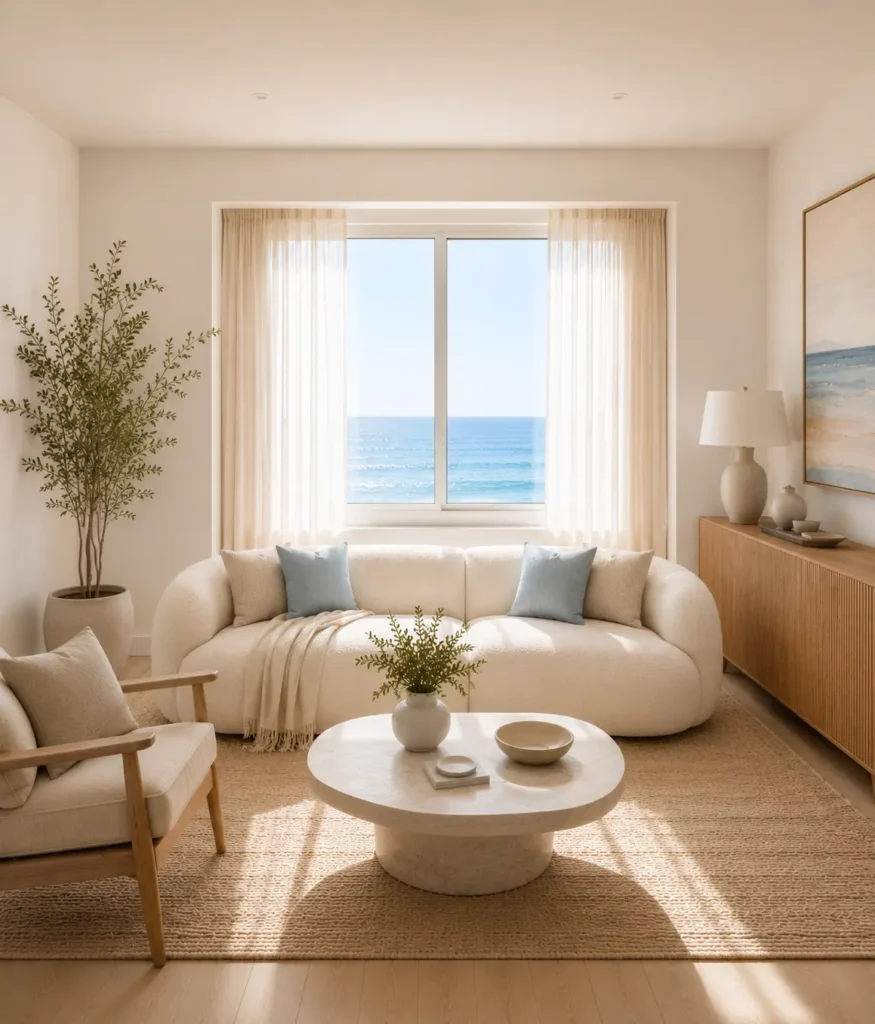
Natural wood elements add warmth and balance to a minimalist coastal interior. Light-toned woods such as oak or ash work best because they complement the airy color palette. These materials bring a sense of nature indoors without making the space feel heavy.It is important to use wood selectively rather than excessively. A coffee table, side table, or shelving unit is enough to create the desired effect. Too many wooden elements can overwhelm the simplicity of the design and reduce its clean aesthetic.
Sheer Layered Curtains
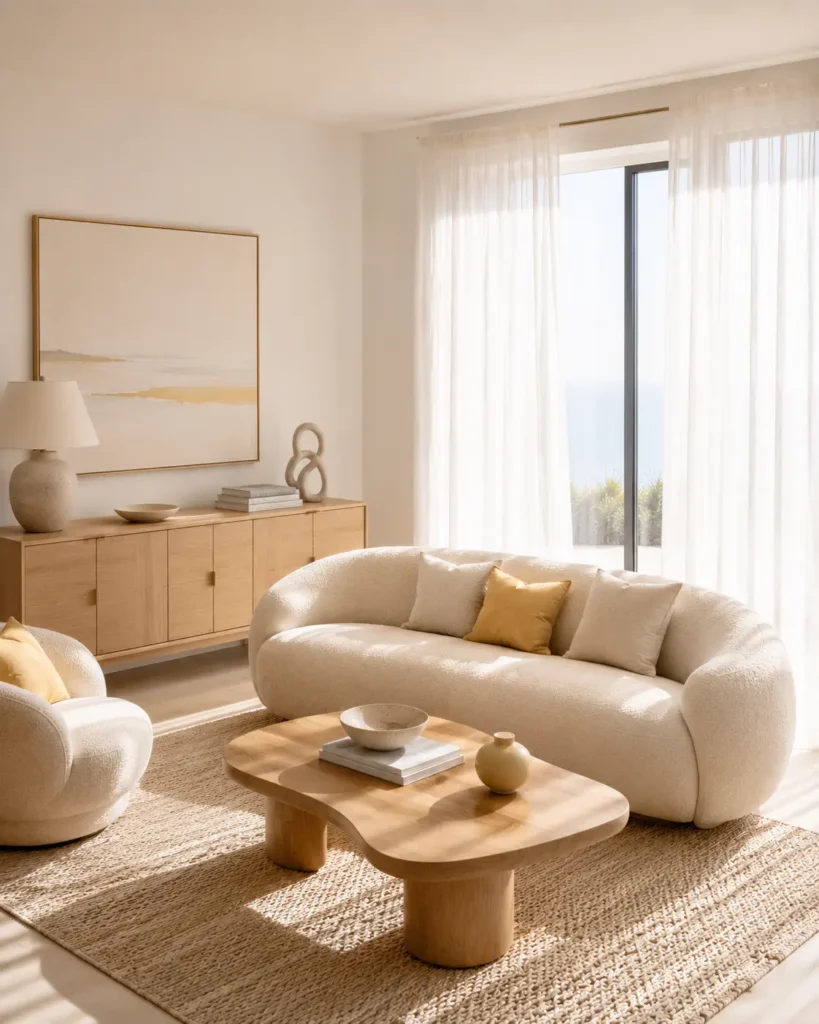
Sheer curtains help maximize natural light while maintaining privacy. Their lightweight fabric allows sunlight to filter softly into the room, creating a bright and airy atmosphere. This effect is essential for achieving the relaxed coastal feel.Layering sheer panels can add subtle depth without blocking light. The gentle movement of the fabric enhances the sense of openness. Heavy curtains should be avoided, as they can make the space feel closed and disrupt the overall design.
Textured Neutral Rugs
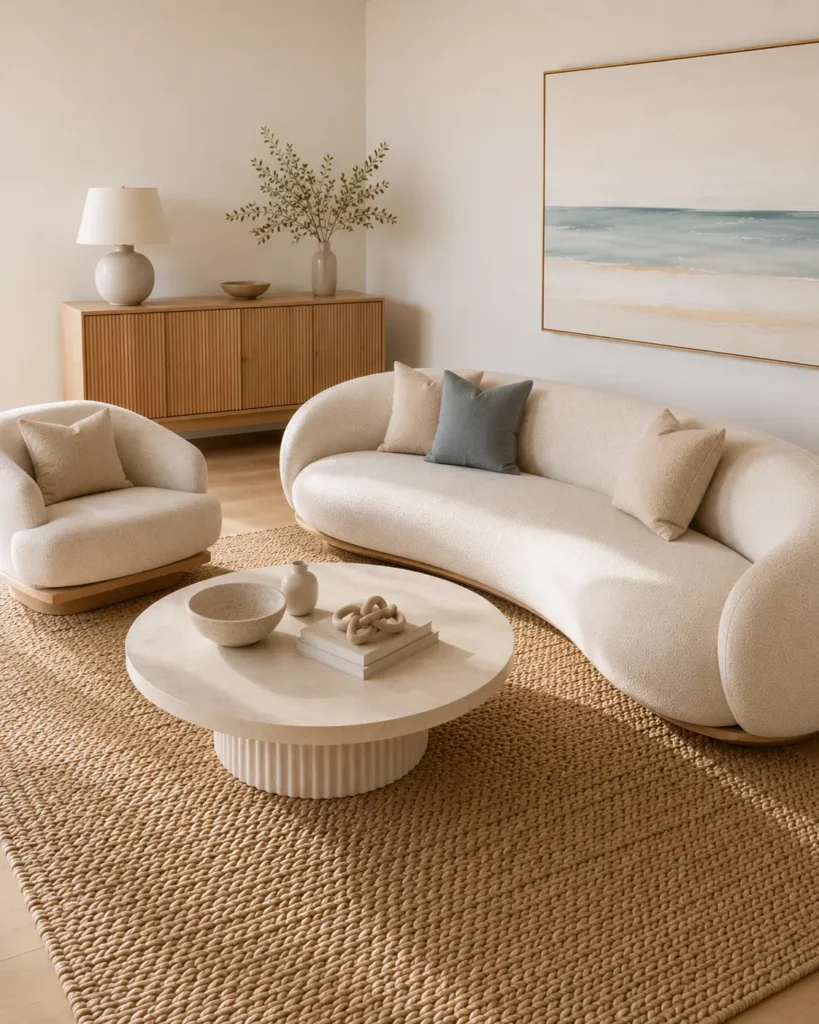
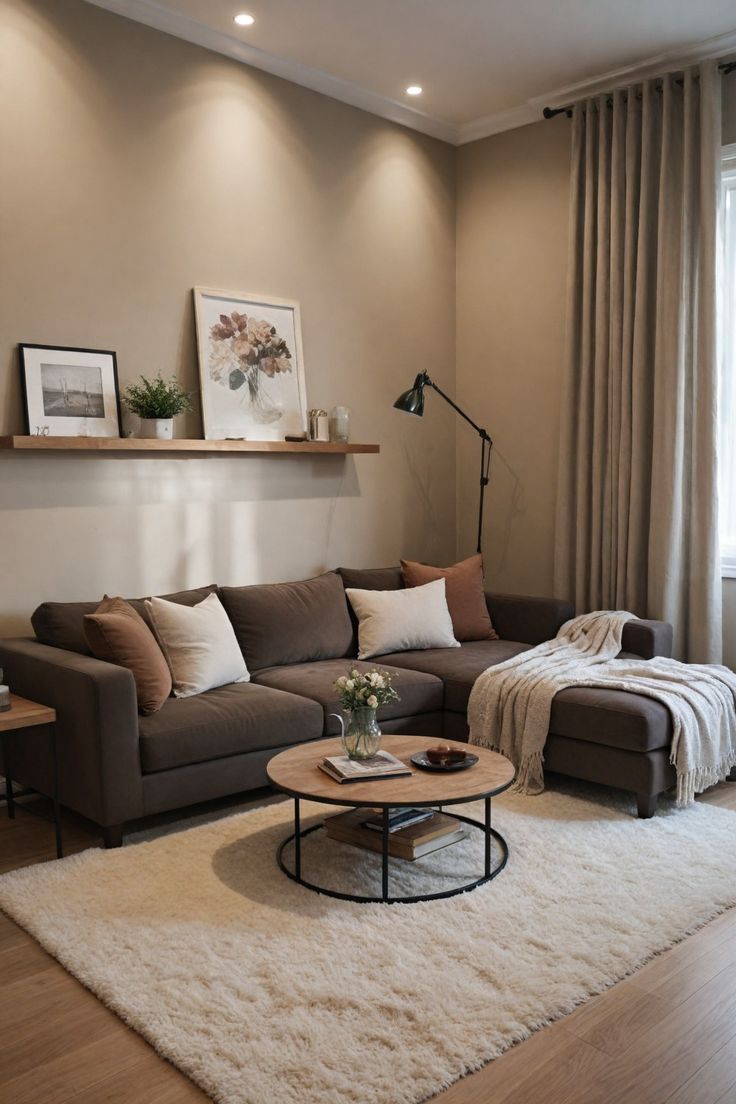
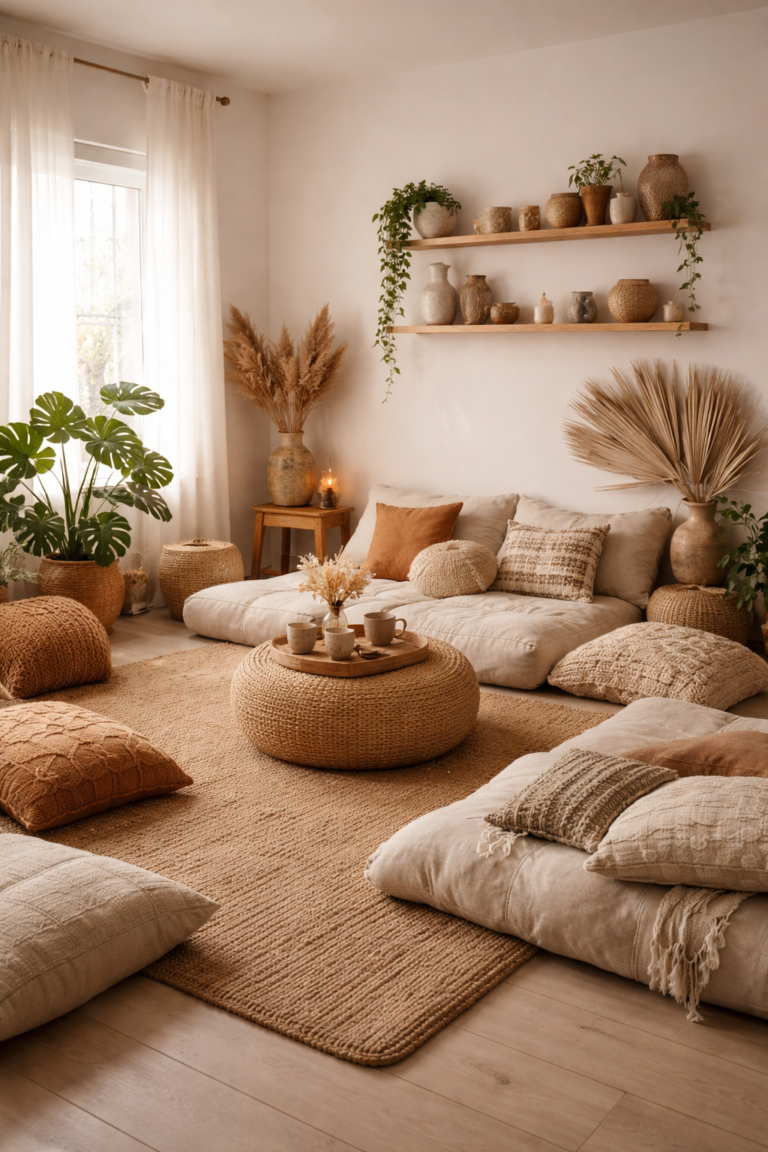
A textured rug introduces depth into a minimalist space without relying on bold patterns. Materials like jute, sisal, or woven cotton are ideal for maintaining a natural look. These textures reflect coastal elements in a subtle and refined way.Choosing neutral tones ensures the rug complements the rest of the room. Instead of drawing attention, it supports the overall design. This creates a cohesive and balanced appearance that feels calm and well thought out.
Minimal Coastal Wall Art
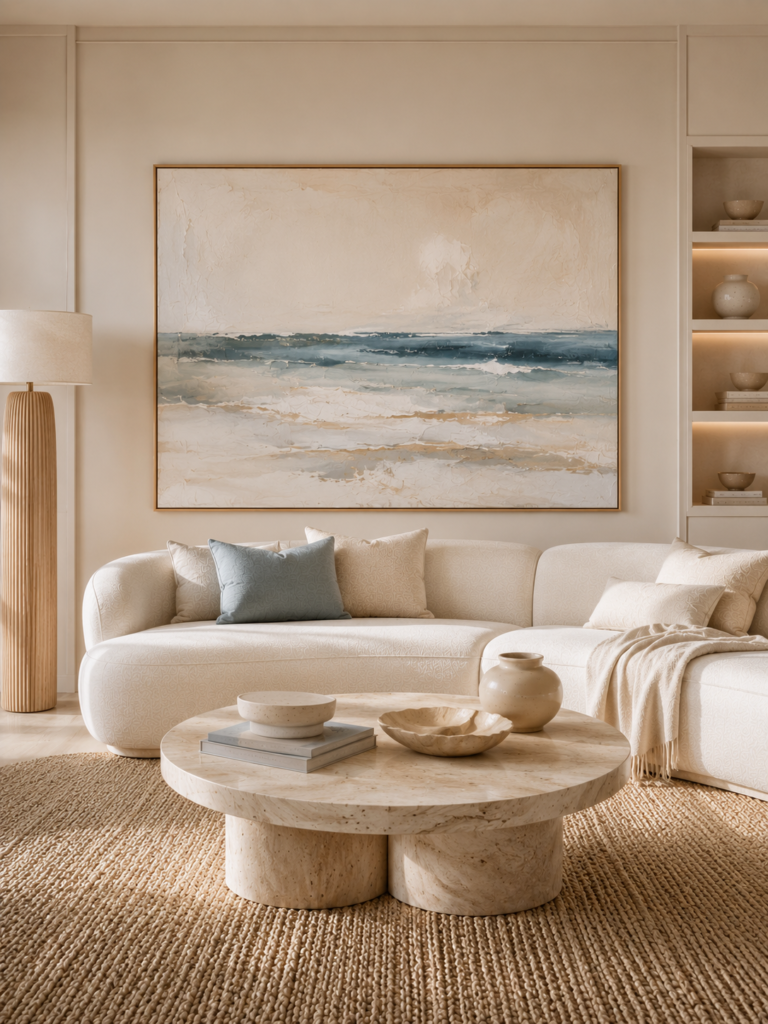
Wall art in a coastal minimalist space should remain simple and intentional. Abstract pieces inspired by the ocean or soft landscapes work best. These artworks provide visual interest without overwhelming the room.It is better to focus on one strong piece rather than multiple smaller ones. Too many artworks can make the space feel cluttered and unfocused. A single well-chosen piece can enhance the overall atmosphere effectively.
Open Space Layout
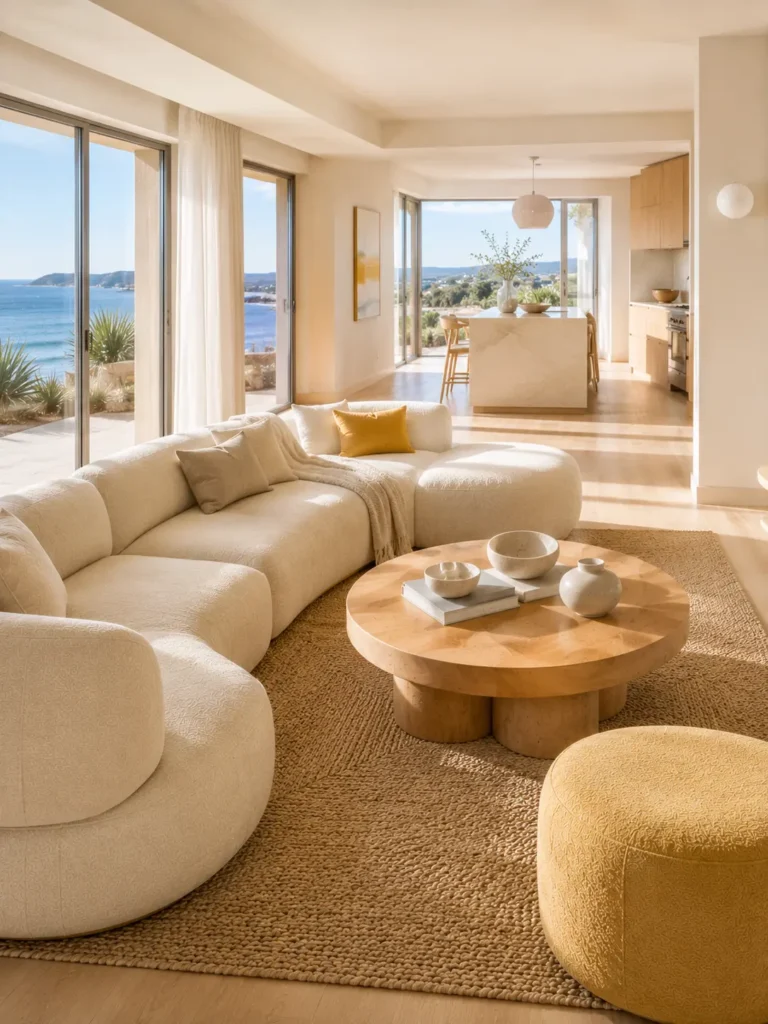
An open layout is essential for achieving a contemporary coastal look. Furniture should be arranged in a way that allows easy movement and clear sightlines. This creates a sense of freedom and openness within the space.Leaving empty areas is not a mistake but a deliberate design choice. These spaces allow light to travel and give the room a more relaxed feel. Overfilling the room can quickly ruin the minimalist effect.
Linen Upholstery
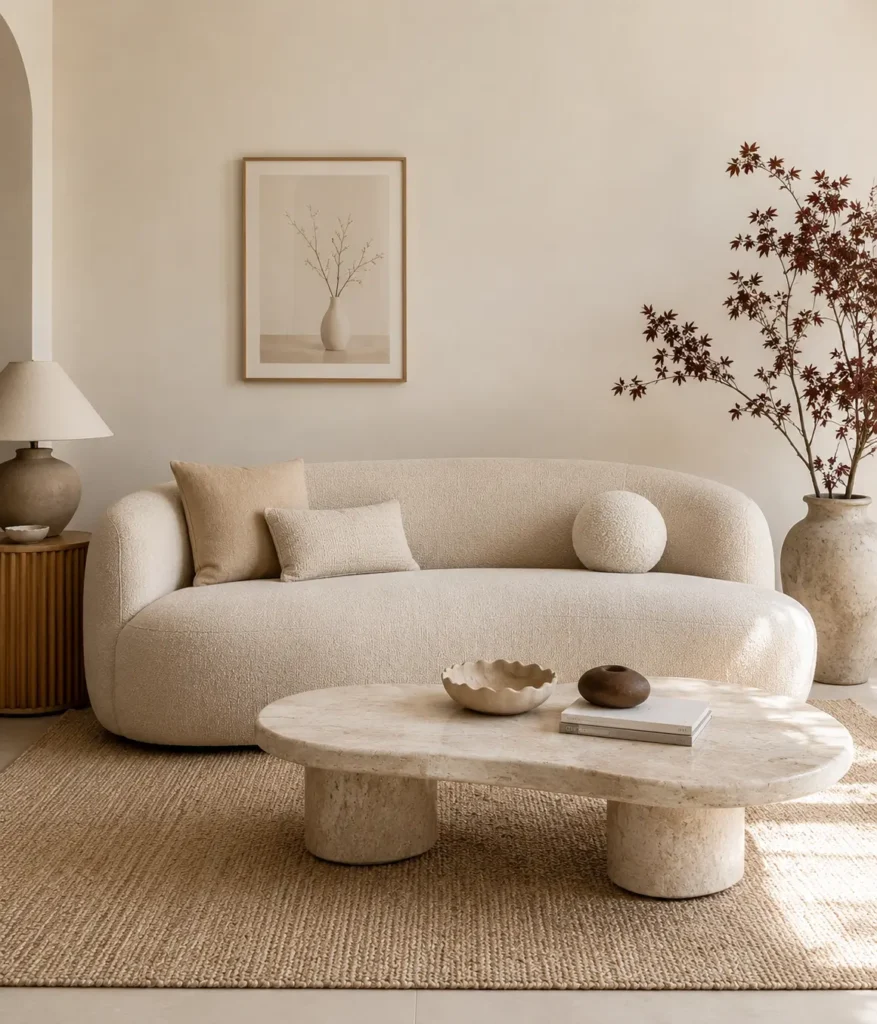
Linen upholstery is a defining feature of coastal interiors. Its natural texture and slightly relaxed appearance add softness to the space. This material helps create a comfortable and inviting environment without feeling overly formal.Unlike synthetic fabrics, linen brings a sense of authenticity to the design. Its subtle imperfections enhance the overall aesthetic. This makes the room feel lived-in while still maintaining a clean and refined look.
Glass and Light Reflective Surfaces
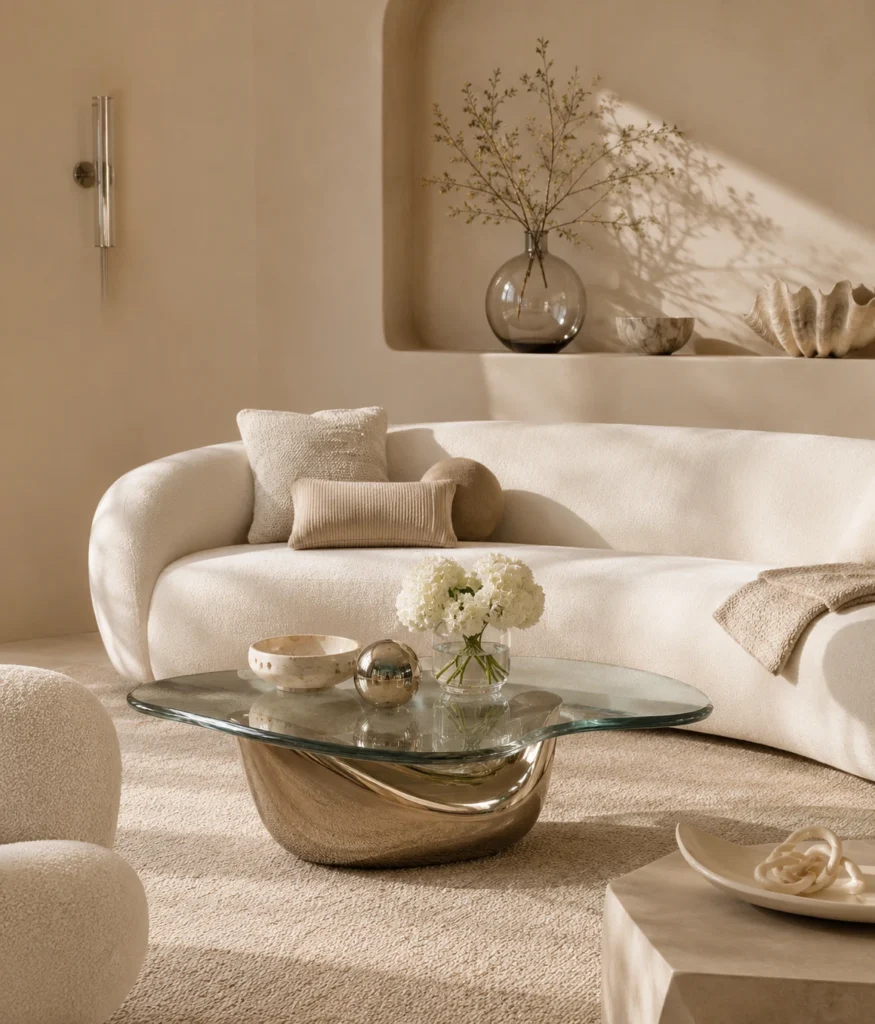
Glass elements help enhance light and openness in the room. A glass coffee table or subtle reflective surfaces can make the space feel larger and brighter. These elements work well with natural light to create a fresh atmosphere.However, it is important to use them in moderation. Too many reflective surfaces can make the room feel cold or overly polished. Balance is key to maintaining a comfortable and inviting environment.
Statement Minimal Lighting
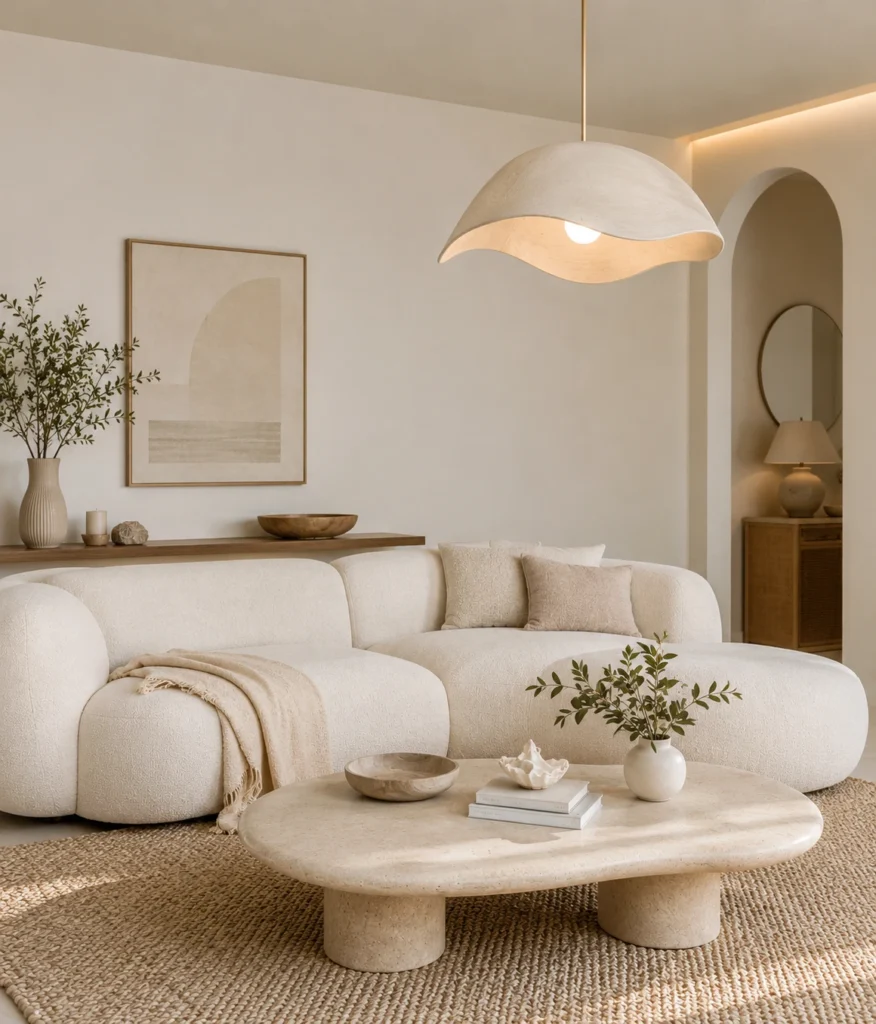
Lighting should be simple but purposeful in a contemporary coastal space. A clean-lined pendant or sculptural floor lamp can act as a subtle focal point. The design should enhance the room without drawing excessive attention or breaking the minimalist flow.Soft, warm lighting works best to maintain a relaxed atmosphere. Avoid overly decorative fixtures or heavy designs that disrupt the clean aesthetic. A well-chosen light fixture can elevate the entire room while still keeping the space calm and cohesive.
Soft Blue Throw Pillows
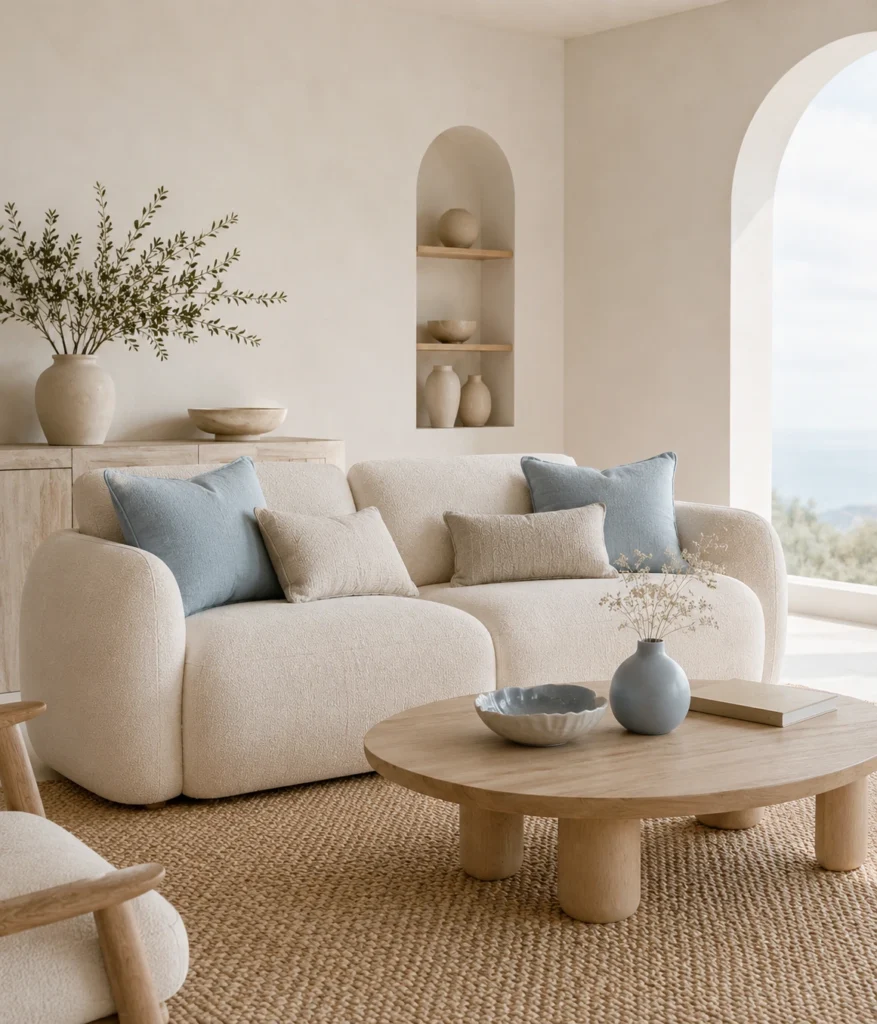
Throw pillows are one of the easiest ways to introduce coastal tones. Soft blues and muted ocean shades can gently break up a neutral palette. These small accents bring freshness without overwhelming the design.
It is important to limit the number of pillows to maintain a clean look. Too many cushions can make the space feel cluttered and less refined. Keeping the arrangement simple ensures the room stays balanced and visually appealing.
Indoor Plants for Freshness
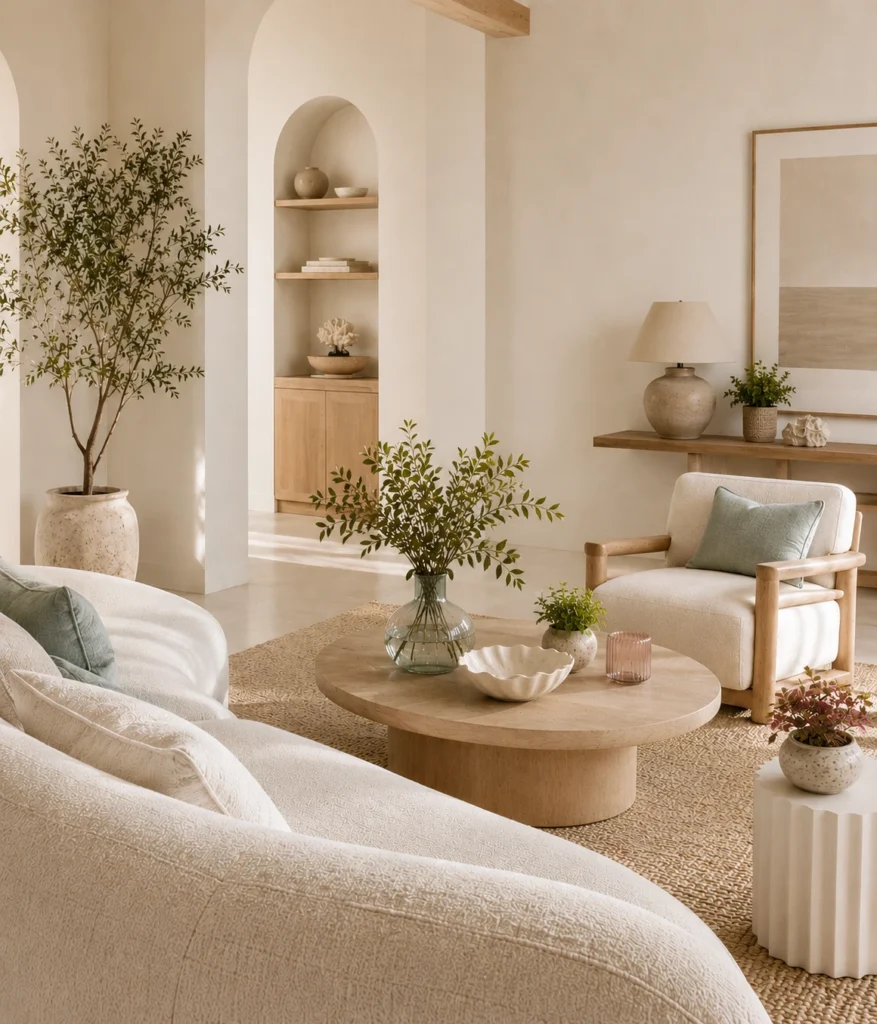
Indoor plants add life and a natural element to the space. Simple greenery, such as a potted plant or small tree, enhances the coastal atmosphere. It introduces color without disrupting the minimalist palette.
Placement should remain intentional rather than excessive. A few well-positioned plants are enough to create impact. Overloading the room with greenery can make it feel busy instead of calm and organized.
Whitewashed Furniture Finishes
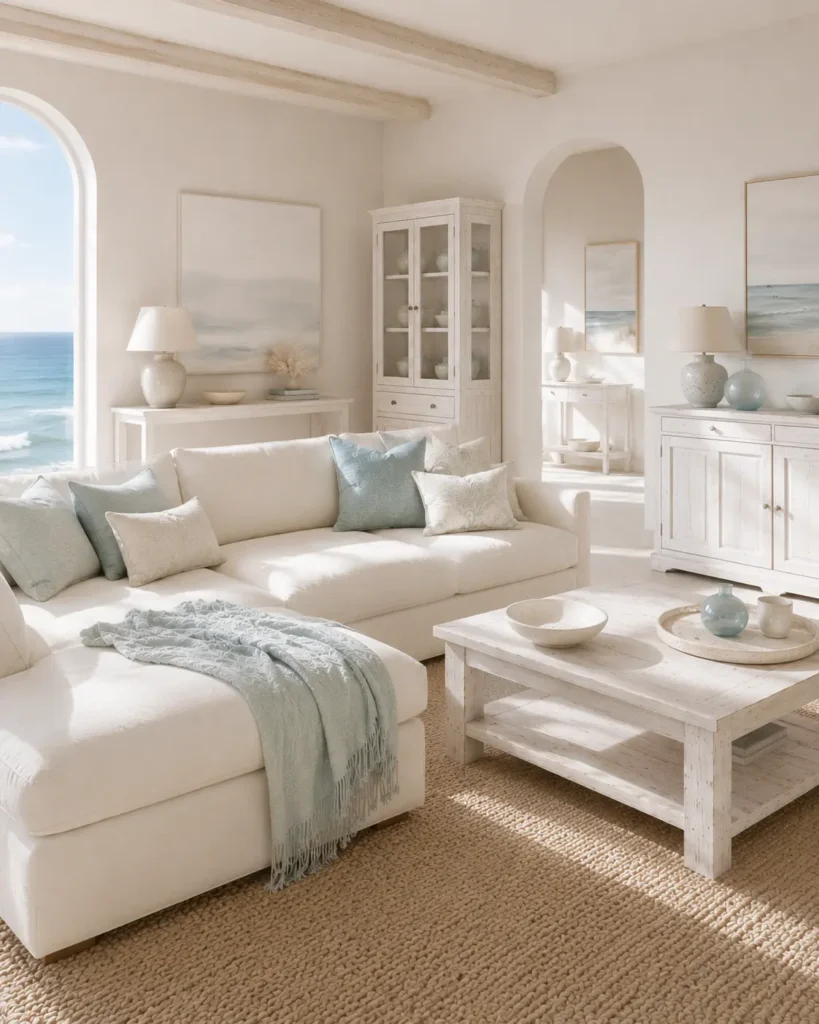
Whitewashed finishes offer a subtle coastal texture while maintaining a light and airy feel. These pieces reflect natural light and blend seamlessly with neutral tones. They help create a relaxed and sun-washed appearance.Using too many whitewashed elements can make the room feel faded or flat. It is best to incorporate them as accent pieces rather than dominant features. This keeps the design balanced and visually interesting.
Layered Neutral Textiles
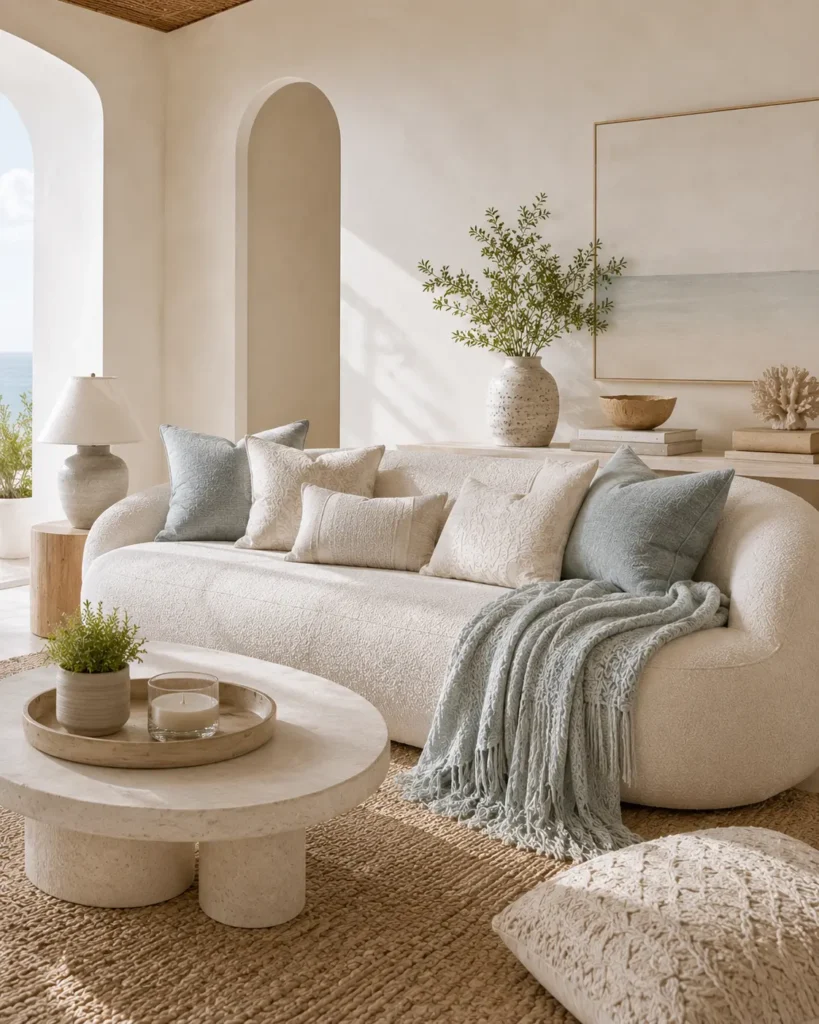
Layering textiles adds depth without relying on bold colors. Combining throws, cushions, and rugs in similar tones creates a cohesive look. The variation in texture keeps the design from feeling dull.The focus should remain on subtle contrast rather than strong patterns. This approach maintains the minimalist aesthetic while still making the space feel warm. Proper layering makes the room more inviting and comfortable.
Minimal Built-In Shelving
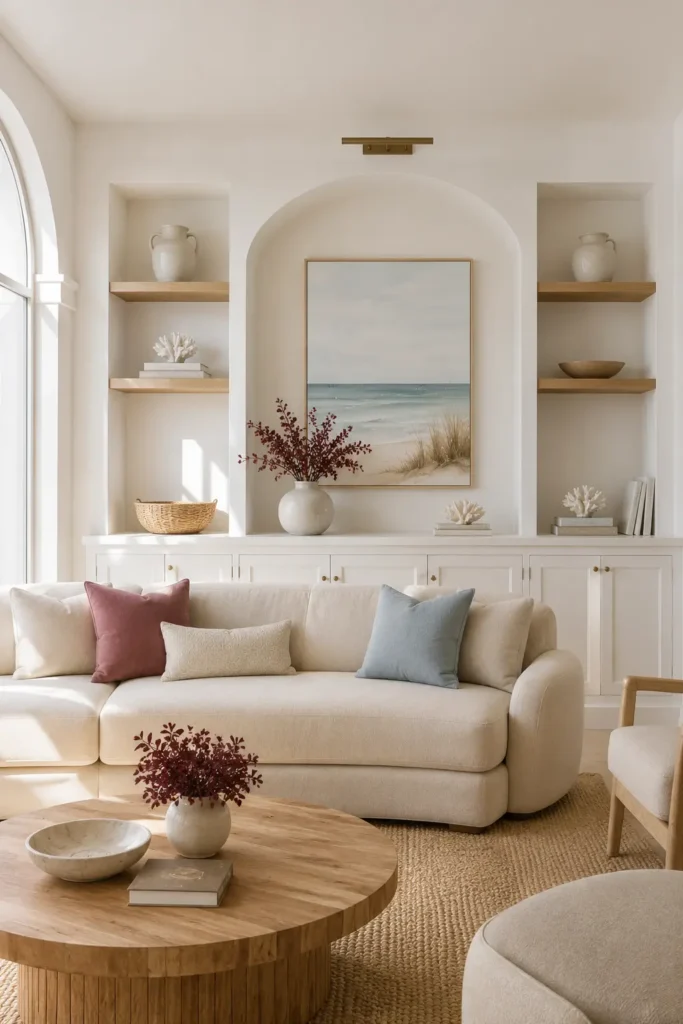
Built-in shelving helps maintain a clean and organized appearance. It allows for storage without adding bulky furniture to the room. This keeps the layout open and aligned with minimalist principles.Styling should remain simple and intentional. A few books, small decor items, or natural elements are enough. Overfilling the shelves can quickly turn a clean design into visual clutter.
Coastal-Inspired Sculptural Decor
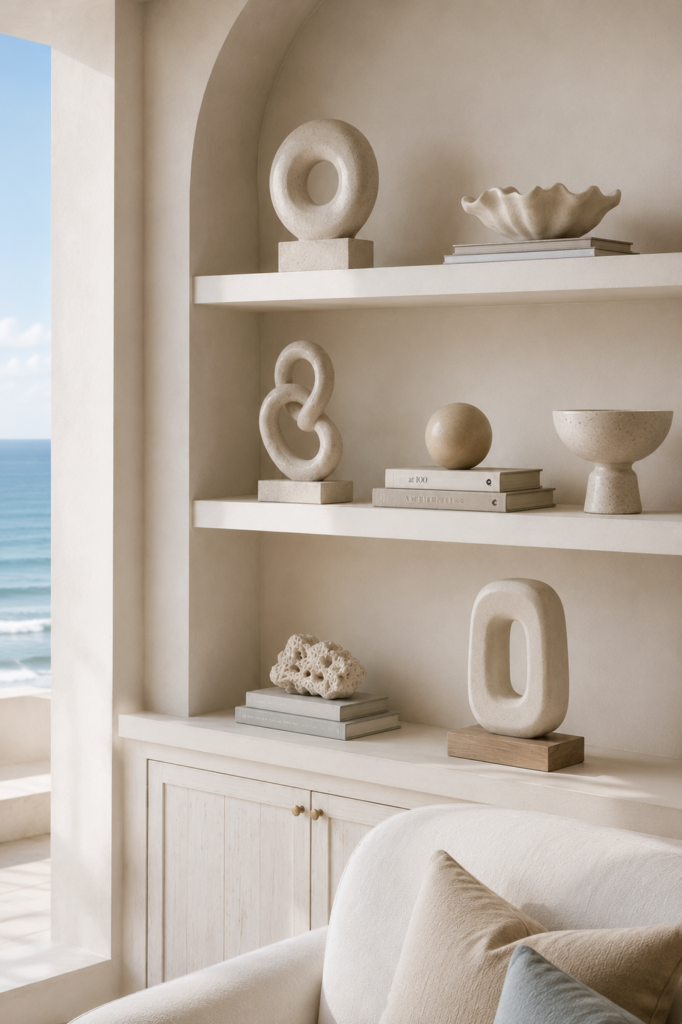
Sculptural decor can add personality without overwhelming the space. Pieces inspired by natural forms, such as stones or organic shapes, work well in a coastal setting. These elements create visual interest in a subtle way.It is important to limit the number of decorative objects. Too many items can break the minimalist balance. Choosing one or two statement pieces keeps the room refined and uncluttered.
Large Windows and Natural Light
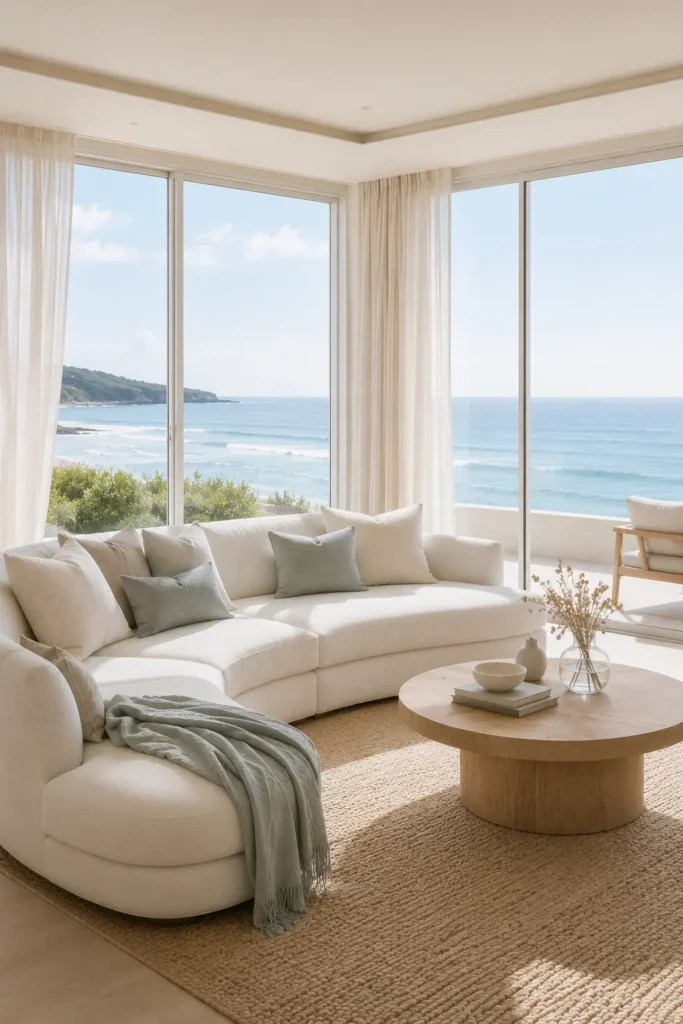
Natural light is one of the most important features in coastal design. Large windows help bring the outside in and make the space feel open. Sunlight enhances the neutral palette and highlights textures.If natural light is limited, the room may feel less effective. Maximizing window space and keeping treatments light can improve brightness. A well-lit room always feels more spacious and inviting.
Monochromatic Coastal Palette
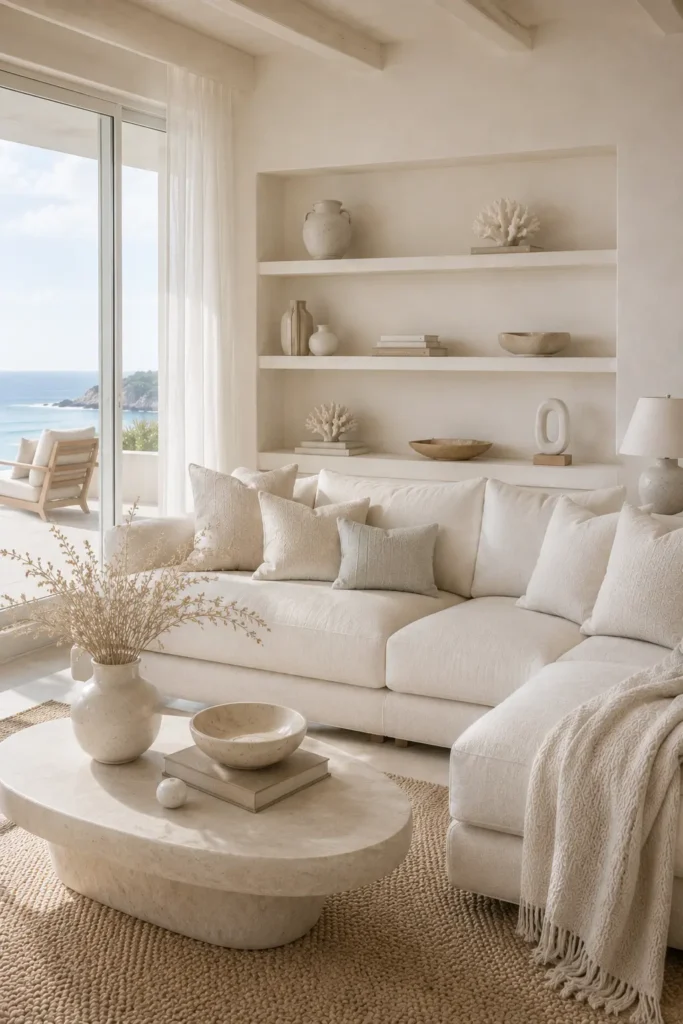
A monochromatic palette creates a calm and unified look. Using different shades of white, beige, and soft neutrals adds subtle variation. This keeps the design from feeling flat while maintaining simplicity. Achieving this look requires careful layering of tones and textures. Without variation, the space can appear dull or unfinished. The goal is to create depth while keeping the color scheme consistent.
Simple Coffee Table Styling
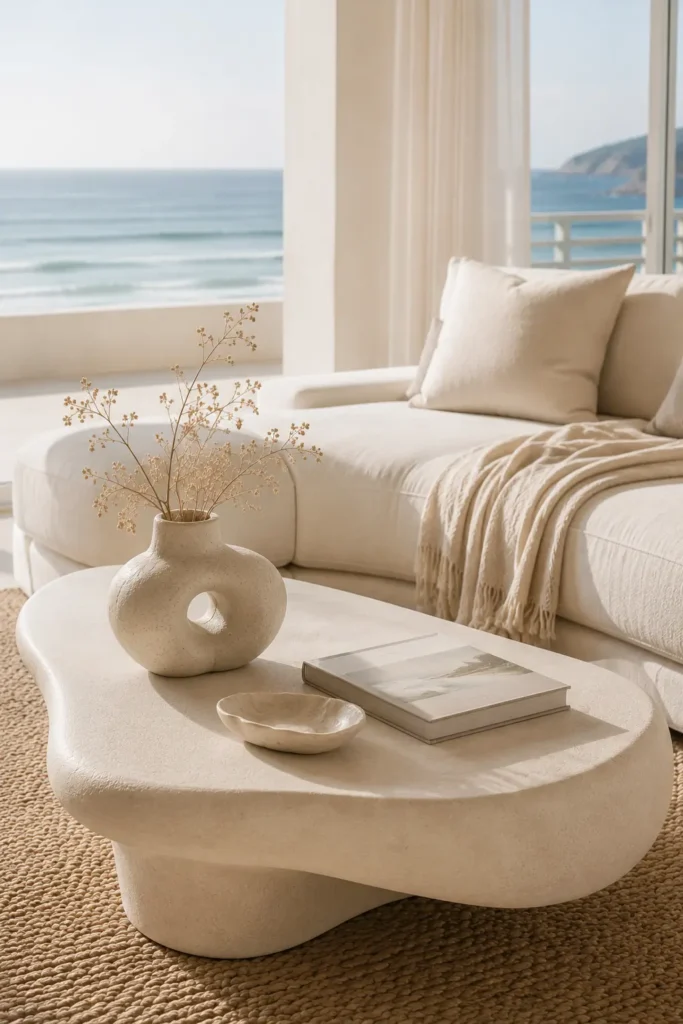
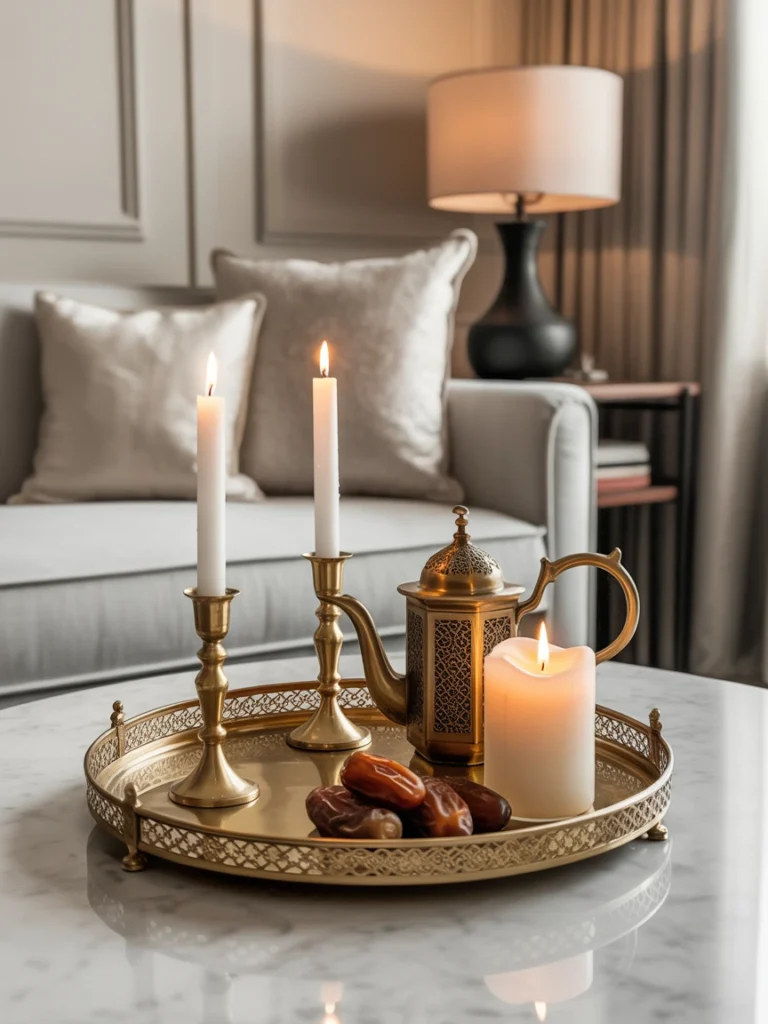
Coffee table styling should remain minimal and intentional. A single book, a ceramic vase, or a small decorative object is enough. This keeps the surface clean and visually appealing.Adding too many items can make the table look cluttered. The focus should be on quality rather than quantity. A simple arrangement creates a more refined and sophisticated look.
Balanced Symmetry
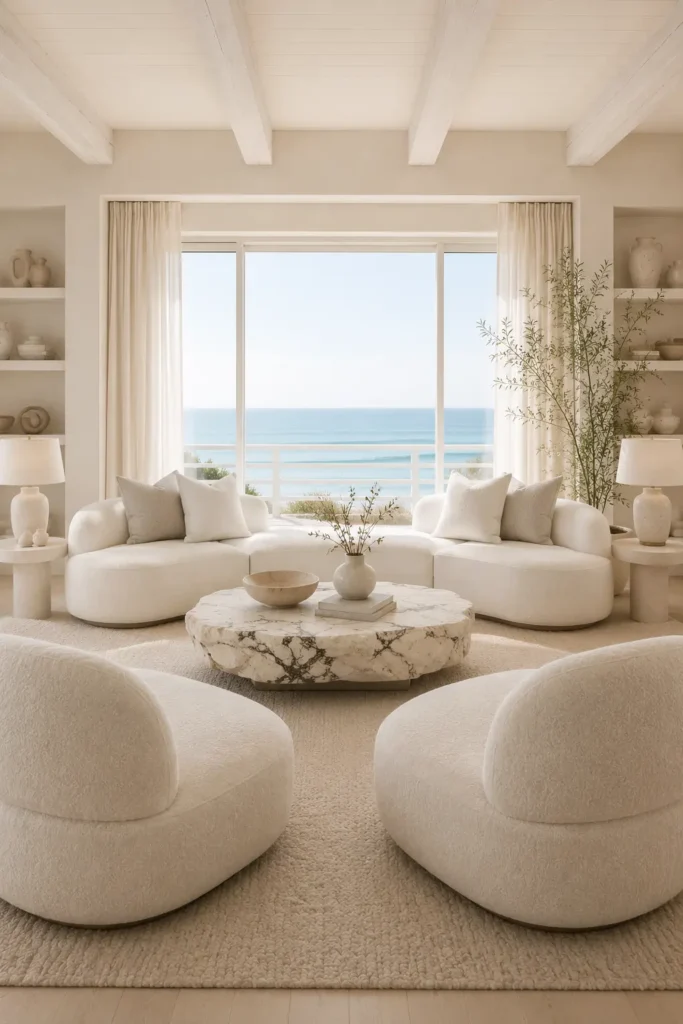
Symmetry helps create a sense of order and calm in the room. Matching elements such as lamps or chairs can make the layout feel balanced. This approach works well in minimalist interiors.However, too much symmetry can feel overly staged. It is important to keep some natural variation in the design. A balanced yet slightly relaxed arrangement feels more authentic and comfortable.